Oxide Ceramic Implant Materials
Standards-compliant ceramics for high-stress hip bearings.
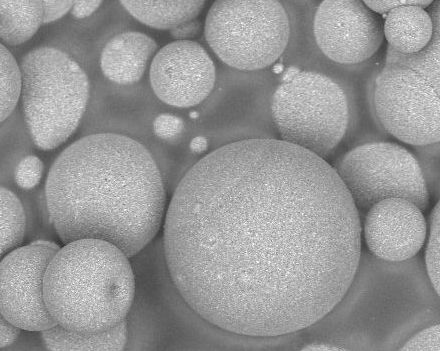
Ceramic materials for hip joint replacements must meet diverse requirements. In addition to excellent wear resistance, adequate fracture toughness and biocompatibility of wear particles are critical. ELEC® (high-purity aluminum oxide) and ELEC®plus (zirconia-toughened alumina) from HiPer Medical fulfill all relevant standards for materials used in high-stress implants—such as those defined in ISO 6474-1 and ISO 6474-2. These properties make them highly suitable for producing bearing components in modular endoprosthesis systems. High-purity aluminum oxide (ISO 6474-1) and zirconia-toughened alumina (ISO 6474-2) have been in successful clinical use for decades.
ELEC®: High-Purity Aluminum Oxide
Fine-grained alumina for ultra-smooth, wear-resistant femoral heads.
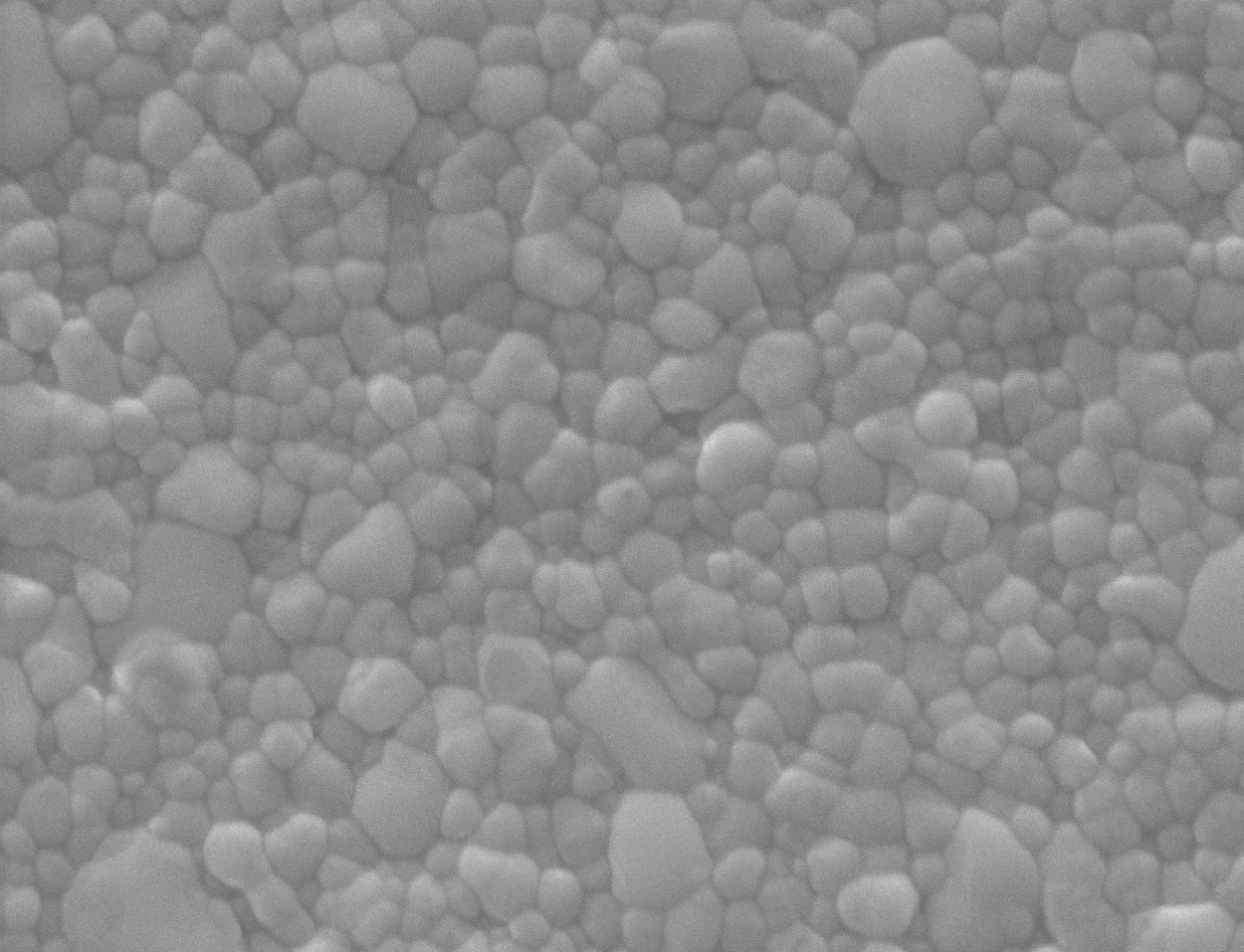
ELEC® features a nearly defect-free, fine-grained structure and high bending strength. Components made from ELEC®, refined through hot isostatic pressing (HIP), achieve extremely low surface roughness on the final prosthesis component. Together with its exceptional hardness, this ensures extremely low wear against the counterpart material. ELEC® is biocompatible even in its finely distributed form, such as wear particles, and is exclusively used for manufacturing femoral heads.
ELEC®plus: Zirconia-Toughened Alumina (ZTA)
Zirconia-toughened alumina for thin-walled liners and high strength.
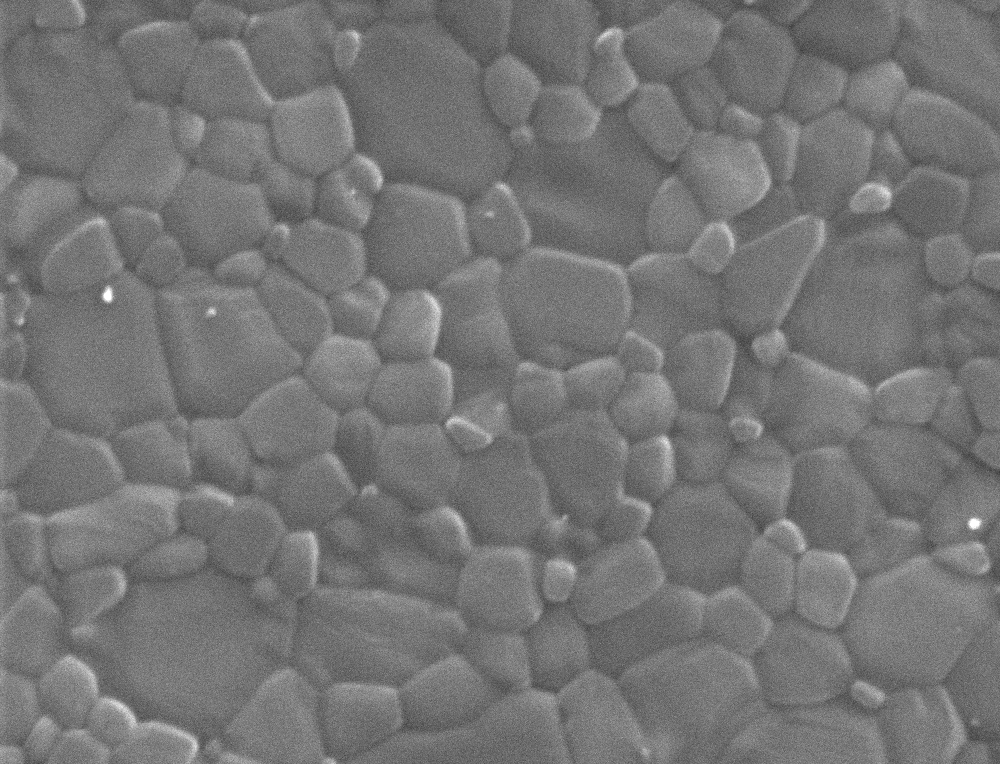
ELEC®plus is a composite material consisting of a primary aluminum oxide phase uniformly embedded with fine particles of yttria-partially stabilized zirconia. These zirconia particles enhance resistance to mechanical stress within the aluminum oxide matrix. As a result, ELEC®plus exhibits significantly higher bending strength than ELEC® and is particularly suitable for complex, thin-walled prosthetic components such as acetabular liners. The wear resistance and biocompatibility of ELEC®plus are equivalent to those of ELEC®. Importantly, ELEC®plus is manufactured without additives such as strontium oxide or chromium oxide and meets all ISO 6474-2 requirements. HiPer Medical uses ELEC®plus for all offered endoprosthesis components.
Bearings and Wear
Hard–hard pairs minimize debris and extend service life.
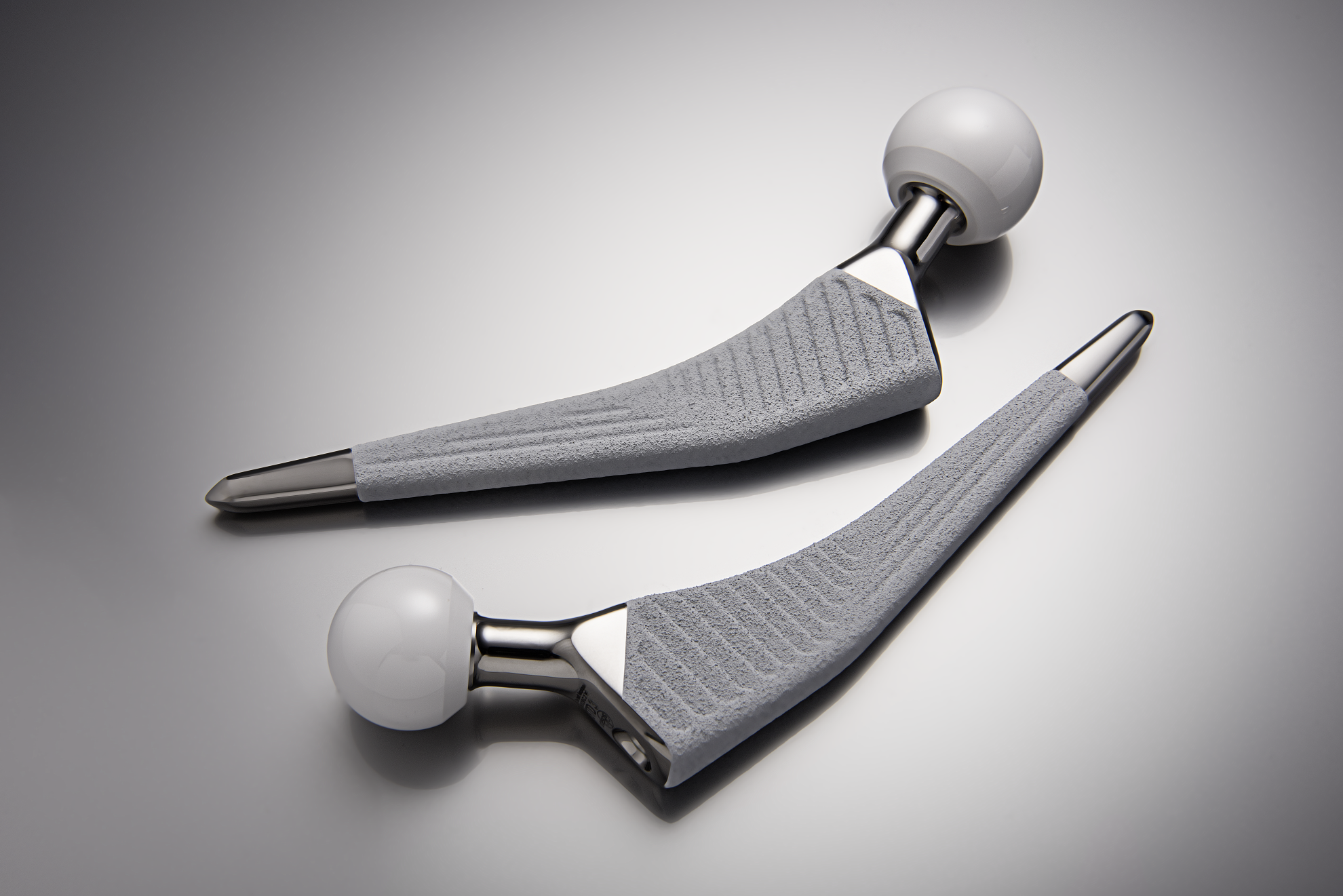
The articulation of the hip joint places extreme demands on the mechanical durability and wear resistance of the bearing materials in an endoprosthesis system. In the long-established pairing of a ceramic femoral head against a polyethylene acetabular component, the latter experiences significantly higher wear. To minimize polyethylene wear, ELEC® and ELEC®plus femoral heads are produced with extremely low surface roughness.
The lifespan of such an endoprosthesis depends, among other factors, on the abrasion resistance of the polyethylene shell and the surface quality and hardness of the femoral component. The amount and type of wear debris generated by an implanted prosthesis are critical factors influencing aseptic loosening, often necessitating early revision surgeries. Polyethylene particles are particularly problematic in this regard, and their generation can only be avoided by using hard-hard bearing pairs. Fully ceramic bearings comprising ELEC® or ELEC®plus femoral heads and ELEC®plus acetabular liners offer a viable alternative to polyethylene acetabular components due to their extremely low wear and the biocompatibility of the resulting wear debris.
Biocompatibility of ELEC® and ELEC®plus
Extensively tested in vitro—no cytotoxic effects observed.
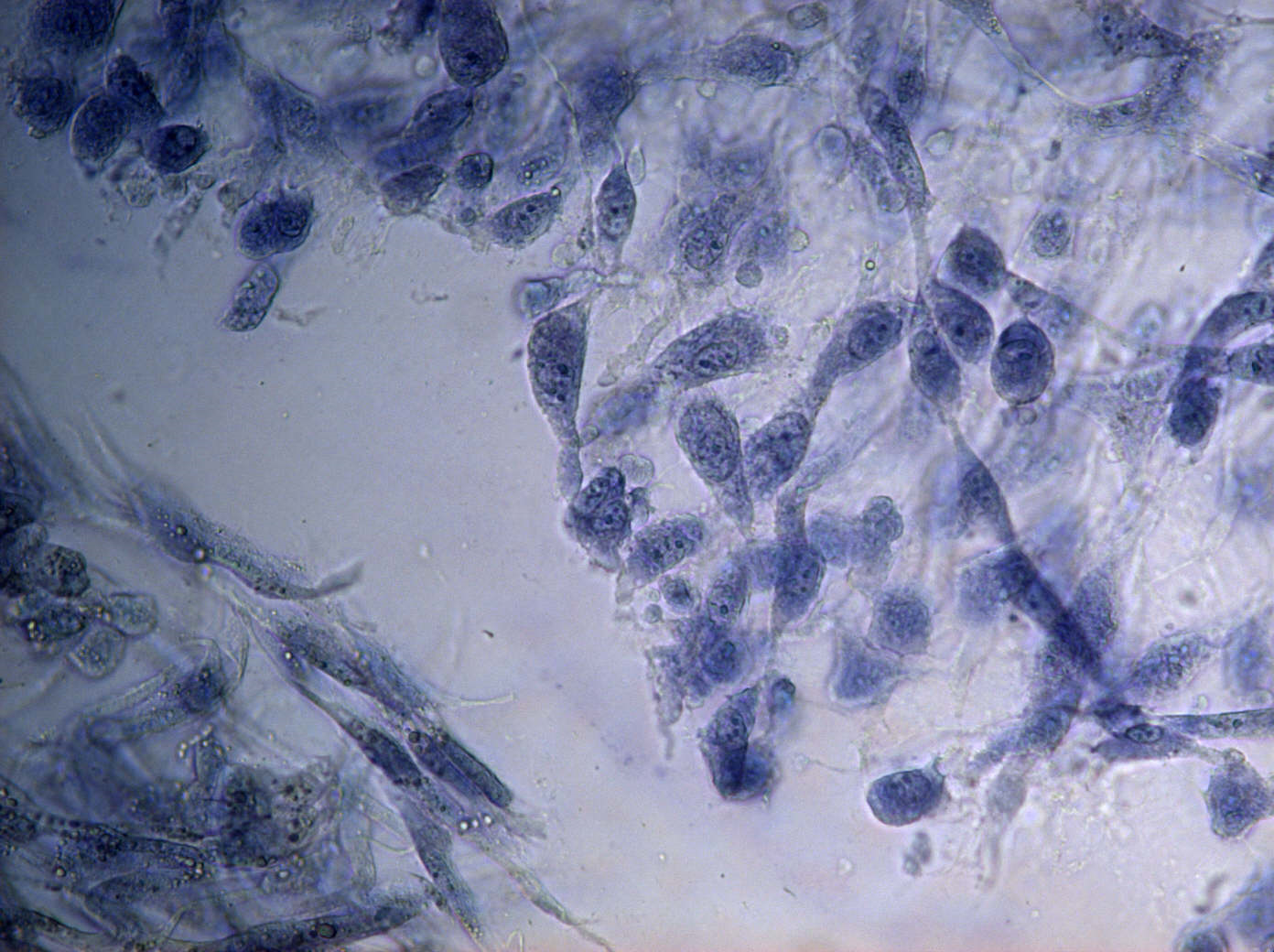
ELEC® and ELEC®plus have been extensively tested for biocompatibility at HiPer Medical's sister company, Zellwerk GmbH, using various cell culture models (L929 mouse fibroblasts, human umbilical cord stem cells, human bone marrow stem cells, and the human HepG9 liver cell line). None of these models showed evidence of cytotoxicity, reduced viability, or other cell-damaging effects. Additives such as chromium, nickel, strontium, or other non-constituent element oxides to improve fracture mechanical or tribological properties are unnecessary in ELEC® or ELEC®plus.